
UK Businesses Warned Over Russian Espionage Threats: The Importance of Corporate Counter-Surveillance
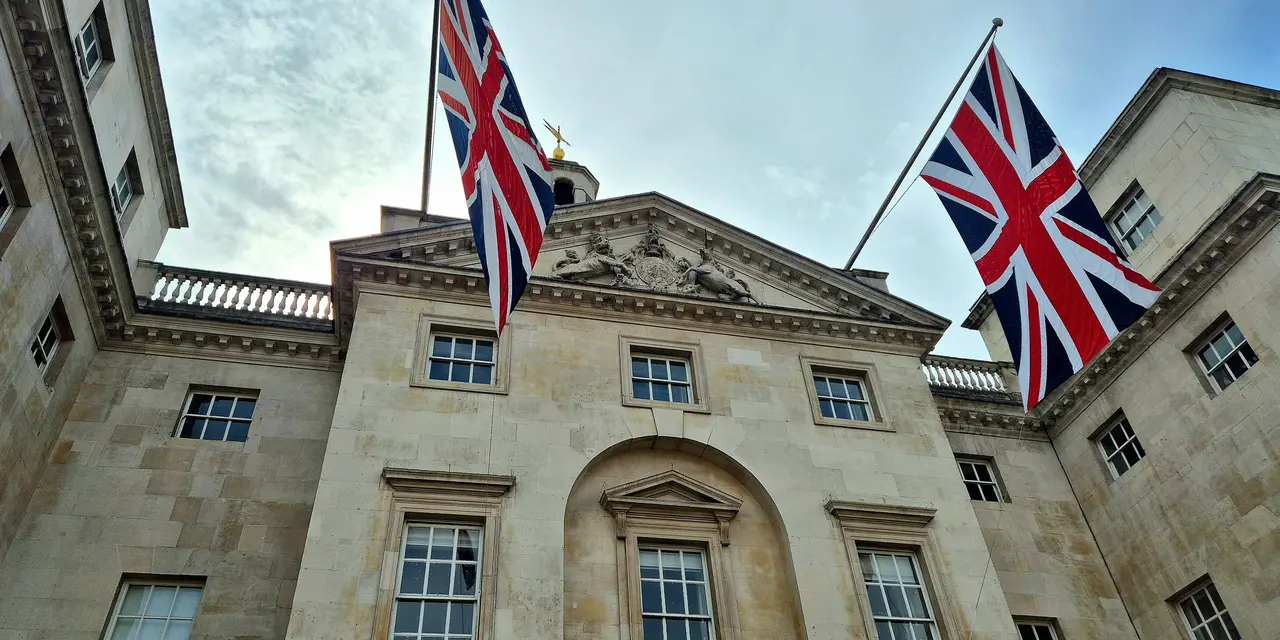
The UK Government has issued a renewed warning over Russian state-backed threats to British businesses, highlighting the importance of protecting commercially sensitive information, critical infrastructure and corporate environments.
On 24 November 2026, the Cabinet Office, Ministry of Defence and National Protective Security Authority (NPSA), part of MI5, confirmed that business leaders from the defence and critical national infrastructure sectors are receiving specialist security briefings from government ministers and intelligence representatives.
The briefings follow a security alert warning that UK businesses supplying the Ukrainian Armed Forces are being targeted by the Russian state.
While the immediate warning concerns organisations operating within sensitive sectors, it raises wider questions about how businesses protect their intellectual property, confidential discussions, personnel and operational activities against hostile intelligence gathering.
UK Government Strengthens Corporate Security Advice
The latest government briefings form part of a wider effort to strengthen Britain's resilience against hostile state activity.
The Government has identified cyberattacks, sabotage and disinformation among the methods used by Russia and its proxies to disrupt organisations and undermine confidence.
The latest security advice encourages businesses to reduce unnecessary digital exposure, improve their ability to recognise and report hostile reconnaissance, and identify and protect critical assets.
Importantly, the risks are not necessarily limited to major defence manufacturers or government contractors. Smaller businesses operating within sensitive supply chains may also hold valuable information or provide services that are critical to wider operations.
This highlights the importance of assessing security across an entire commercial network rather than concentrating solely on its largest organisations.
Why Businesses Can Become Targets of Corporate Espionage
Corporate espionage involves the unauthorised collection of confidential commercial information for strategic, financial or competitive advantage.
For organisations operating within defence, technology, manufacturing and infrastructure, the information they hold may also have national security implications.
Information of interest to hostile actors may include:
- Intellectual property and product development plans.
- Confidential contracts and commercial negotiations.
- Research and development activities.
- Supplier and customer relationships.
- Manufacturing capabilities and operational processes.
- Executive communications and strategic decisions.
- Sensitive information relating to employees and business partners.
The consequences of unauthorised information gathering can extend beyond financial losses. Exposure may undermine competitive advantage, disrupt contractual relationships, compromise operational security and create reputational damage.
Although hostile state activity represents a particularly serious threat, businesses may also face corporate espionage risks arising from commercial competitors, organised criminal groups or individuals seeking to exploit confidential information.
Physical Security and Cyber Security Must Work Together
Many organisations have invested significantly in Cyber Security to protect their digital infrastructure, networks and confidential data.
However, protecting information stored electronically is only one element of an effective corporate security strategy.
Sensitive information is also shared verbally during board meetings, strategic discussions, negotiations and conversations between employees.
A business may have sophisticated digital security systems while overlooking vulnerabilities within its physical working environment.
Boardrooms, executive offices, research facilities and temporary meeting spaces may require additional security consideration, particularly when commercially sensitive matters are being discussed.
Unauthorised access to these environments could potentially expose information through covert recording, physical observation or the misuse of legitimate access permissions.
Organisations should therefore consider physical, technical and digital security as interconnected areas of risk rather than treating them as separate responsibilities.
The Role of TSCM in Protecting Corporate Environments
Technical Surveillance Counter-Measures (TSCM), commonly referred to as electronic bug sweeps, provide businesses with a specialist means of assessing environments for potential covert technical surveillance.
Professional Counter-Surveillance and Bug Sweeps (TSCM) may involve structured physical and technical examinations designed to identify unauthorised monitoring equipment and associated security vulnerabilities.
Corporate TSCM assessments may be appropriate for:
- Boardrooms and executive offices.
- Research and development facilities.
- Locations used for confidential commercial negotiations.
- Legal and financial meeting rooms.
- Temporary offices and external meeting venues.
- Executive vehicles and other sensitive environments.
The requirement for a TSCM assessment should be determined by the circumstances, the sensitivity of the information being handled and the organisation's overall threat exposure.
The latest government announcement does not establish that covert listening devices have been discovered within the businesses concerned. However, it reinforces the wider importance of considering how confidential information could be compromised and whether existing protective measures remain appropriate.
Protecting Confidential Meetings and Commercial Discussions
Confidential meetings are an essential part of business operations, particularly during mergers and acquisitions, contractual negotiations, litigation and strategic planning.
The unauthorised disclosure of information discussed during these meetings could have significant commercial consequences.
Organisations should consider whether their meeting environments provide an appropriate level of security, taking into account who has access to the location, how the space is managed and the sensitivity of the discussions taking place.
Additional security considerations may be appropriate when:
- Negotiating high-value commercial contracts.
- Discussing potential acquisitions or business restructuring.
- Reviewing commercially sensitive research or intellectual property.
- Managing confidential legal matters.
- Addressing suspected internal misconduct.
- Discussing matters involving national security or critical infrastructure.
Regularly reviewing the security of sensitive environments can help businesses identify vulnerabilities before they result in an information security incident.
Where specific concerns arise, relying solely on commercially available detection equipment may provide limited reassurance. As highlighted in our previous article on why consumer bug detectors can miss hidden surveillance devices, professional assessments offer a more structured approach to examining potential technical surveillance risks.
Recognising Potential Corporate Security Concerns
Identifying hostile activity can be challenging, particularly where information is gathered gradually or where individual incidents appear unrelated.
Circumstances that may justify further assessment include:
- Confidential information becoming known to unauthorised individuals.
- Unexplained access to restricted corporate environments.
- Unusual interest in sensitive business activities or personnel.
- Evidence of interference with office equipment or facilities.
- Suspicious activity reported by employees or security personnel.
- Credible threats connected to commercial or geopolitical developments.
These indicators do not automatically confirm espionage or unauthorised surveillance.
Information may be disclosed through administrative errors, inadequate access controls or other legitimate explanations.
A proportionate, evidence-led assessment can help businesses establish the circumstances surrounding a concern and determine whether specialist support is required.
Where suspected hostile state activity or criminal conduct is involved, organisations should also engage with the appropriate authorities.
Building a Proactive Corporate Security Strategy
The latest government warning demonstrates why corporate security arrangements should evolve alongside changes in an organisation's activities and external threat environment.
Businesses entering new markets, developing sensitive technologies or securing significant commercial contracts may experience changes in their overall security exposure.
A proactive corporate security strategy may include:
- Regular security risk assessments.
- Reviews of physical access controls.
- Appropriate Pre-Employment Screening for sensitive positions.
- Employee awareness and security reporting procedures.
- Supplier and third-party risk assessments.
- Professional TSCM assessments where justified.
- Coordinated physical and Cyber Security measures.
Security arrangements should reflect the specific requirements of each organisation rather than relying on a standardised approach.
By identifying vulnerabilities and addressing them proportionately, businesses can strengthen their resilience without unnecessarily disrupting normal commercial activities.
How Conflict International Can Help
Conflict International provides specialist TSCM, Counter-Surveillance and Risk Management support to businesses, legal professionals, private clients and organisations operating within sensitive commercial environments.
Our experienced specialists conduct discreet assessments tailored to the circumstances of each assignment, helping clients identify potential vulnerabilities, assess suspected covert monitoring and better protect confidential information.
Whether an organisation is preparing for sensitive commercial negotiations, responding to a specific security concern or reviewing its existing protective measures, Conflict International can provide professional support across the UK and internationally.
Contact Conflict International in confidence to discuss your corporate security and TSCM requirements.