
Consumer Bug Detectors Can Miss Hidden Surveillance Devices: Why Professional TSCM Matters
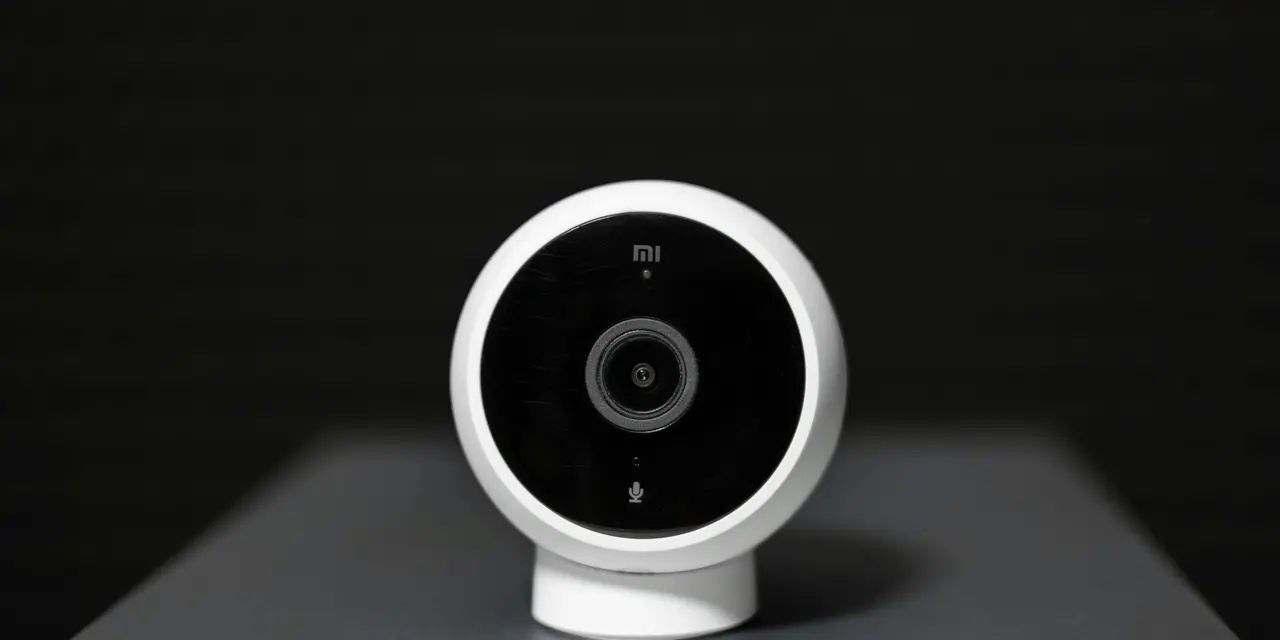
New research has raised concerns about the effectiveness of consumer products designed to detect hidden surveillance devices.
Researchers from University College London examined commercially available tools marketed as ways to identify hidden cameras, microphones and trackers. According to reporting on the study, participants missed 67% of hidden devices without a detector and still missed 59% when using one. The researchers also found that some tools produced false positives or readings that were difficult for users to interpret.
For individuals and organisations concerned about covert surveillance, the findings highlight an important distinction.
A consumer detector may provide one source of information, but it is not the same as a professional Technical Surveillance Counter-Measures examination.
Hidden Surveillance Devices Are Increasingly Accessible
Hidden cameras, microphones and tracking devices are no longer limited to sophisticated intelligence operations.
Consumer technology has made it possible to conceal recording or tracking capability within everyday objects, including chargers, clocks, plug adapters and other electronic items.
The UCL research reportedly identified a large number of covert-surveillance products readily available to consumers, alongside hundreds of products claiming to help detect them.
This accessibility creates challenges for anyone trying to determine whether a room, vehicle or other environment has been compromised.
A suspicious device may transmit continuously.
Another may transmit only intermittently.
Some devices store information locally without transmitting a radio signal at all.
Others may communicate using Wi-Fi, Bluetooth, cellular networks or another part of the radio spectrum.
That means there is no single consumer tool capable of reliably identifying every type of surveillance threat.
Why Consumer Bug Detectors Can Be Misleading
Many inexpensive detection products operate by searching for radio-frequency activity.
That can be useful in some circumstances, but modern environments contain numerous legitimate radio-frequency sources.
A typical office or home might contain:
- Wi-Fi routers.
- Mobile phones.
- Bluetooth devices.
- Wireless keyboards and mice.
- Smart televisions.
- Security systems.
- Smart speakers.
- Wireless access points.
- Nearby mobile or communications infrastructure.
A detector may alert the user to one of these legitimate sources without identifying what actually caused the reading.
That can create a false positive, where normal electronic activity is mistaken for a surveillance device.
The opposite problem is potentially more serious.
A covert device that is not transmitting at the time of the check may not create the type of signal the detector is designed to identify.
For example, a hidden camera may record footage to internal storage rather than transmit it wirelessly.
A tracking device may communicate only at intervals.
A listening device may be remotely activated rather than continuously broadcasting.
The absence of an alert therefore does not necessarily mean that an environment is free from covert surveillance.
Professional TSCM Uses Multiple Methods
A professional TSCM examination is designed around the environment and the nature of the suspected threat rather than relying on a single detector.
Conflict International's Counter-Surveillance and Bug Sweeps (TSCM) may involve a combination of physical examination, technical analysis and specialist equipment.
Depending on the circumstances, this can include:
- Examination of rooms, fixtures and furniture.
- Assessment of radio-frequency activity.
- Inspection for unusual electronic components.
- Examination of accessible electrical and communications infrastructure.
- Search for concealed cameras.
- Vehicle examination where tracking is a concern.
- Identification of suspicious modifications or unexplained devices.
- Assessment of vulnerabilities that could allow surveillance equipment to be installed.
The important point is that these methods are used together.
A radio-frequency reading, for example, is not treated in isolation. It can be analysed alongside the physical environment, known electronic equipment, the behaviour of the signal and other technical findings.
That interpretation is one of the major differences between a professional examination and simply purchasing a detector online.
Physical Inspection Still Matters
Technology is an important part of TSCM, but physical inspection remains fundamental.
A surveillance device needs to exist somewhere within the environment.
It may be concealed inside an object, fitted behind furniture, connected to existing infrastructure or positioned in a location where it can observe or record sensitive activity.
An experienced TSCM specialist therefore looks not only for electronic signals but also for signs that an environment may have been altered.
Examples can include:
- Objects that appear inconsistent with their surroundings.
- Unexplained cables or power supplies.
- Modifications to fixtures.
- Recently introduced electronic equipment.
- Unusual components within accessible spaces.
- Areas that provide an effective position for visual or audio monitoring.
This is particularly important because some surveillance devices may produce little or no detectable radio-frequency activity.
For a fuller explanation of the methodology, our guide What Is a Bug Sweep (TSCM)? explains how professional counter-surveillance examinations are structured.
Context Is as Important as Equipment
A professional TSCM assignment should begin with understanding why the concern has arisen.
That may include:
- Confidential information becoming known unexpectedly.
- Sensitive commercial discussions being compromised.
- Suspicious objects appearing within an office or residence.
- Signs that a vehicle or room may have been interfered with.
- A relationship, employment or commercial dispute.
- An elevated threat involving a senior executive or high-profile individual.
- Concerns following confidential legal or financial discussions.
This information helps determine what type of surveillance would realistically be possible and where a device might have been placed.
It also allows the examination to remain proportionate.
Not every unusual sound, poor telephone connection or unexpected electronic behaviour is evidence of surveillance.
The purpose of a TSCM assessment is to investigate the concern rather than assume that a covert device must be present.
A Bug Sweep Is Not the Same as a Cyber-Security Check
Another common source of confusion is the difference between physical surveillance and digital compromise.
A TSCM examination may identify hidden microphones, cameras, trackers or other devices within a physical environment.
It does not automatically determine whether:
- An email account has been compromised.
- A phone contains spyware.
- Cloud storage has been accessed.
- Passwords have been stolen.
- A computer is subject to remote access.
- Communications are being intercepted through a compromised digital account.
Where the concern involves both the physical environment and digital devices, separate cyber-security or digital-forensic examination may also be appropriate.
Determining which type of threat is actually suspected is an important part of the initial assessment.
Consumer Detectors Can Still Have a Limited Role
The UCL findings do not necessarily mean that every consumer detector is useless.
A detector may alert a user to unexpected radio-frequency activity or encourage someone to examine an environment more carefully.
The problem arises when a consumer product is treated as providing definitive reassurance.
A detector that produces no alert cannot establish that no surveillance device is present.
Equally, an alert does not automatically establish that covert surveillance is taking place.
Results require interpretation.
That is particularly important where the concern involves sensitive corporate information, legal discussions, personal safety or suspected stalking or harassment.
What to Do if You Suspect Covert Surveillance
If you believe an office, residence, vehicle or other environment may contain a surveillance device, avoid assuming either that surveillance is definitely occurring or that a quick consumer scan has ruled it out.
Useful information to establish can include:
- Why the concern first arose.
- What information may have been exposed.
- When the suspected activity began.
- Who has had access to the environment.
- Whether any unfamiliar devices or objects have appeared.
- Whether vehicles, rooms or equipment show signs of interference.
- Whether there are related digital-security concerns.
If a suspicious device is discovered, it may also be important not to disturb it unnecessarily, particularly where police, legal advisers or another authority may need to examine it.
Professional Assessment Rather Than False Reassurance
The UCL research is a useful reminder that detecting covert surveillance is not as simple as switching on a handheld device and waiting for an alarm.
Modern surveillance technology can operate in different ways, and legitimate electronic signals can make consumer readings difficult to interpret.
Professional TSCM therefore combines equipment with physical examination, technical knowledge and an understanding of the specific threat environment.
No examination can guarantee that surveillance has never occurred or that a device could not be installed in the future.
But where there is a credible concern, a structured and proportionate professional assessment provides significantly more information than relying on a consumer detector alone.
If you are concerned that an office, residence, vehicle or sensitive meeting space may be subject to unauthorised surveillance, contact Conflict International in confidence to discuss the circumstances and the appropriate scope of a TSCM examination.