
Pig-Butchering Scams: How Fake Investment Platforms Manipulate Victims
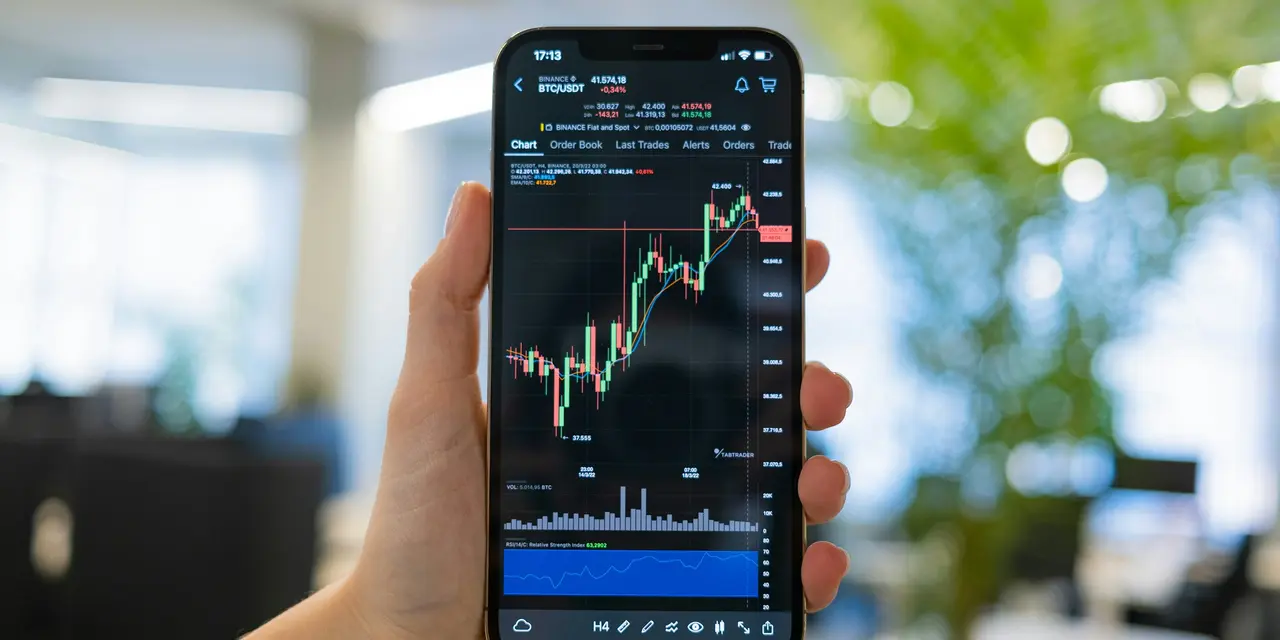
Pig-butchering scams combine relationship-building with investment fraud.
The fraudster spends time gaining the victim’s trust before introducing an apparent investment opportunity. The victim is then directed to a professional-looking trading platform displaying fabricated profits and account balances.
Early payments may appear to generate substantial returns. Some victims are even allowed to make a small withdrawal, strengthening the impression that the investment is genuine.
As the relationship continues, the victim is encouraged to transfer larger amounts. When they attempt to withdraw their supposed profits, the platform demands further payments for tax, verification, insurance, liquidity or account-release charges.
The displayed investment may never have existed. Money may instead have been transferred to accounts or cryptocurrency wallets controlled by the fraud network or connected intermediaries.
What Is a Pig-Butchering Scam?
A pig-butchering scam is a long-term fraud in which the victim is gradually prepared for financial exploitation.
Unlike scams that begin with an immediate payment demand, the contact may continue for weeks or months before any investment is introduced.
The relationship may appear romantic, friendly or professional. The fraudster’s objective is to establish enough credibility and emotional influence that the victim accepts the supposed opportunity and continues paying when problems arise.
Pig-butchering fraud commonly combines:
- Romance or friendship fraud
- Cryptocurrency or investment fraud
- Fake online trading
- False identities and impersonation
The main distinction from conventional Romance Fraud is that the cultivated relationship leads into a structured fake investment.
How the Relationship Begins
The first contact may appear accidental or harmless.
Common approaches include:
- A message sent to the “wrong number”
- Contact through a dating application
- A social-media friend request
- A professional-networking message
- An invitation to a private investment group
A wrong-number message may begin with a simple greeting intended for someone else. When the recipient responds, the sender apologises and continues the conversation.
The profile may use photographs taken from a real person or created specifically for the false identity. The fraudster may claim to be a successful professional, entrepreneur, investor or business owner.
The identity is designed to appear attractive, credible and financially secure.
How Trust Is Built
The fraudster may communicate frequently and show detailed interest in the victim’s life, family and ambitions.
They may share fabricated information about their career, home, travel, family, previous relationships and future plans.
The conversation often moves from the original platform to WhatsApp, Telegram or another private messaging service. This can make the relationship feel more personal while reducing the safeguards available on the original platform.
The discussion of money is usually introduced gradually.
The fraudster may first mention their own successful investments without asking the victim to participate. Later, they offer to explain how they achieved their returns or introduce the victim to an adviser, relative or specialist who supposedly has privileged market knowledge.
Fluent conversation, financial terminology and regular attention do not prove that the identity or investment is genuine.
How the Fake Investment Platform Works
Victims are commonly directed to a website or application that appears to be a genuine trading platform.
It may display:
- Cryptocurrency or foreign-exchange prices
- Account balances
- Trading profits
- Customer-support facilities
- Withdrawal functions
- Professional company branding
The platform may imitate a legitimate exchange or financial company. Its displayed trades and balances may be controlled entirely by the fraudsters.
The victim may begin with a relatively small payment. The platform then shows rapid growth, sometimes supported by an apparent adviser or mentor recommending specific trades.
A small early withdrawal may be permitted. This is intended to demonstrate that the platform works and encourage the victim to invest more.
When a larger withdrawal is requested, the account is blocked or placed under review. The victim may then be told to pay:
- Tax
- Account-verification charges
- Anti-money-laundering fees
- Security deposits
- Insurance
- Liquidity charges
- Wallet-activation fees
Paying one demand commonly leads to another.
The broader mechanics of fabricated platforms are covered in our principal guide to Investment Fraud.
Why Victims Continue Paying
Pig-butchering scams use both financial and emotional pressure.
Victims may continue because:
- The platform displays substantial profits
- A small withdrawal was previously successful
- The fraudster appears emotionally invested in the relationship
- The victim believes they are close to reaching a financial goal
- Earlier payments appear likely to be lost if they stop
- The platform claims one final payment will release the account
- The fraudster offers to contribute part of the requested fee
- Customer support threatens penalties or permanent loss
The relationship may change when the victim questions the investment.
The fraudster may become angry, distant, threatening or emotionally manipulative. They may accuse the victim of lacking trust or abandoning plans they supposedly made together.
This combination of financial loss and emotional pressure can make it difficult to stop paying.
Warning Signs of a Pig-Butchering Scam
Warning signs may include:
- Unexpected or accidental initial contact
- Rapid emotional closeness
- Frequent references to investment success
- An unfamiliar trading platform
- Guaranteed or unusually consistent returns
- Pressure to increase deposits quickly
- Instructions to mislead a bank or exchange
- Payments to unrelated accounts or wallets
- Withdrawal restrictions
- Additional tax or release fees
- Emotional pressure after concerns are raised
No single feature proves fraud. Several warning signs appearing together should be treated seriously.
Using a genuine cryptocurrency exchange to purchase funds does not validate the external wallet or supposed investment platform receiving them.
What to Do If You Have Paid
The immediate priority is to prevent further loss and preserve the evidence.
- Stop all further payments, including tax, verification and withdrawal charges.
- Contact the bank, card provider or cryptocurrency exchange through its official support channel.
- Preserve messages, profiles, website details, platform screenshots and transaction records.
- Retain wallet addresses and cryptocurrency transaction identifiers.
- Secure affected email, banking, exchange and social-media accounts.
- Report the fraud through the appropriate official channels.
- Obtain legal or investigative advice where proportionate.
- Be alert to recovery scams.
Contacting a financial provider does not guarantee that a transaction can be reversed or that a recipient account will be restricted.
For a complete immediate-response checklist, read Scammed Online? What Victims Should Do First.
Beware of Cryptocurrency Recovery Scams
Victims are often targeted again by people claiming that the stolen funds have already been located, frozen or approved for repayment.
The caller may impersonate a regulator, exchange, solicitor, court, police officer or investigation company.
Warning signs include:
- Guaranteed recovery
- Demands for tax or release fees
- Claims that a wallet must be activated
- Requests for a private key or recovery phrase
- Payment to a personal wallet
- Pressure to act immediately
- Refusal to provide a written scope of work
Some recovery scammers know details of the original loss because information may have been shared or sold by the first fraud network.
A legitimate professional provider may charge an agreed fee, but no provider can guarantee recovery.
Can the Transactions Be Traced?
Public blockchain records may allow relevant cryptocurrency transactions to be mapped.
Analysis may show movements between wallets or transfers into exchanges and other services.
However, a visible wallet does not automatically identify the person controlling it. An account or wallet may belong to an intermediary or money mule rather than the organiser of the scam.
Tracing does not itself freeze, seize or recover cryptocurrency.
Further action may depend on exchange cooperation, banking information, legal disclosure, courts, law-enforcement powers and whether assets remain available.
Read Can Stolen Cryptocurrency Really Be Traced? for a fuller explanation.
Fraud and Financial Investigation Services
Conflict International provides Fraud and Financial Investigation Services to individuals, businesses, law firms and professional advisers dealing with pig-butchering scams, false identities and fabricated investment platforms.
Depending on the available evidence, our work may include:
- Identity and alias research
- Company and connected-party enquiries
- Website and domain research
- Payment-recipient research
- Cryptocurrency transaction mapping
- Review of communications and platform claims
- Cross-border corporate research
- Evidence chronology preparation
- Clearly sourced reporting for legal and professional review
An investigation may identify connections, inconsistencies and institutions that may hold further information.
Private investigators cannot compel banks or exchanges to disclose protected records. We do not guarantee that every participant will be identified or that money or cryptocurrency will be frozen or recovered.
Discuss a Suspected Pig-Butchering Scam
If you are concerned about a relationship-led investment scam, contact Conflict International with the available communications, profile details, platform information and payment records.
We can assess what identity, corporate, digital and transaction enquiries may be proportionate.
Complete the enquiry form below to request an initial assessment.