
Hidden Cameras in the Workplace: Lessons in Bug Sweeping from the Centre Pompidou Incident
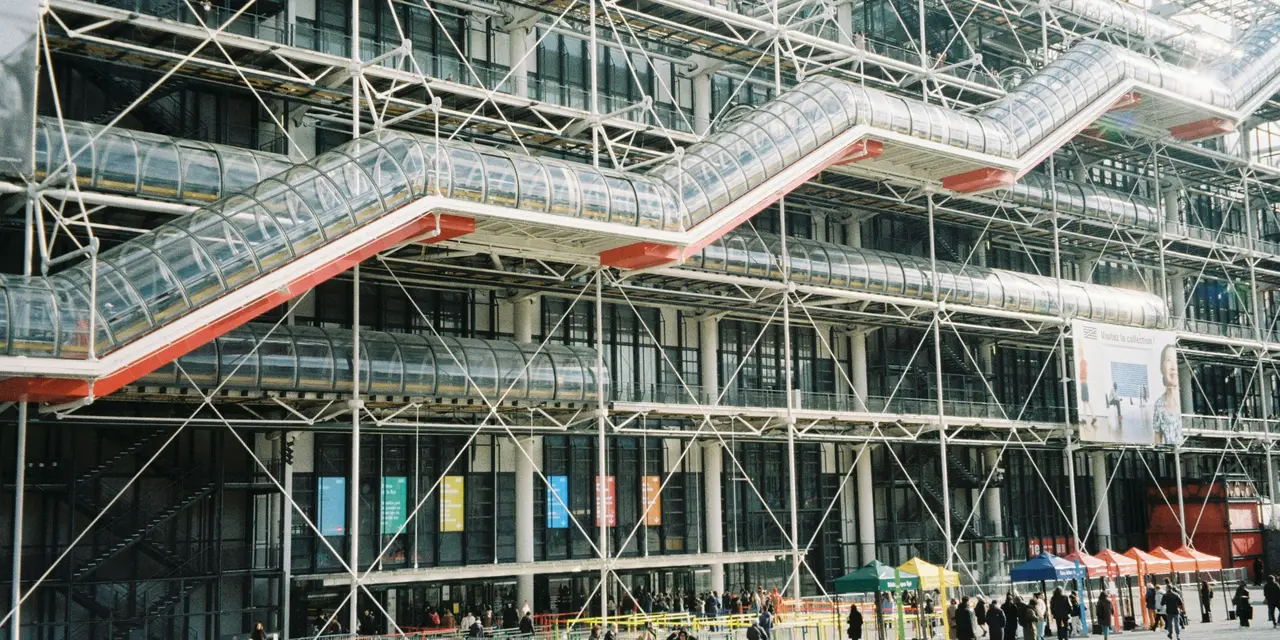
The recent discovery of a hidden camera in a staff bathroom at the Centre Pompidou in Paris, has sent shockwaves through the international cultural and corporate communities. While the museum is celebrated for its transparency and avant-garde architecture, this incident highlights a growing, opaque threat: the compromise of private spaces through illicit technical surveillance.
At Conflict International, we recognise that this is not merely a voyeuristic intrusion; it is a profound breach of institutional security and employee trust. In an era where miniature surveillance technology is both affordable and easily concealed, the need for professional Technical Surveillance Countermeasures (TSCM) has never been more critical for corporate and public entities.
The Anatomy of a Modern Privacy Breach
The Centre Pompidou incident underscores how even the most secure environments can be penetrated by internal or external threats using "off-the-shelf" technology.
- The Invisibility of Modern Hardware: Modern covert cameras can be smaller than a shirt button, hidden within smoke detectors, air vents, or even "active" electrical outlets.
- The "Insider" Risk: Public-facing institutions manage hundreds of staff and contractors. Without routine sweeps, a rogue individual can install a device in minutes that remains active for months.
- The Psychological Impact: Beyond legal liability, such breaches devastate morale. When private spaces are compromised, the sense of safety within the workplace is fundamentally broken.
Securing the Sanctuary: The Role of TSCM
A standard security patrol cannot find what is designed to be hidden. Protecting an institution requires an intelligence-led approach to Counter-Surveillance and Bug Sweeps (TSCM).
At Conflict International, our technical teams utilise military-grade equipment to secure sensitive environments:
- Electronic Spectrum Analysis: We scan for unauthorised radio frequency (RF) transmissions, identifying devices that are "bursting" data or streaming live feeds to a remote location.
- Non-Linear Junction Detection (NLJD): This allows our technicians to find electronic components even if the device is turned off, dormant, or hard-wired into the building's infrastructure.
- Physical Forensic Inspections: We conduct deep-dive physical searches of "sanitary and sensitive" zones—bathrooms, changing rooms, and executive boardrooms—to identify optical lenses and modified fixtures.
Liability and Litigation Support
When a breach is discovered, the response must be swift and forensic. Institutions face significant legal exposure regarding privacy laws and employee welfare.
Conflict International provides the Litigation Support and Fraud Investigation expertise required to manage the fallout:
- Device Attribution: We analyse recovered hardware to identify its origin, power source, and potential data destination, assisting law enforcement in identifying the perpetrator.
- Evidentiary Integrity: We ensure that all discovered devices are handled according to strict chain-of-custody protocols, making the findings admissible in court or disciplinary hearings.
- Risk Mitigation Consulting: We help organisations move from a reactive to a proactive stance, implementing regular "sweep" schedules to ensure compliance with privacy regulations.
Beyond the Gallery Walls
The Centre Pompidou incident is a wake-up call for any organisation that prides itself on security. In 2026, a secure perimeter is not enough. You must also secure the interior.
Is your workplace truly private? Explore our TSCM and Bug Sweep services or contact Conflict International today for a confidential Security Consultation.