
AI-Generated Insurance Fraud: Fake Images, Synthetic Evidence and Claims Investigation
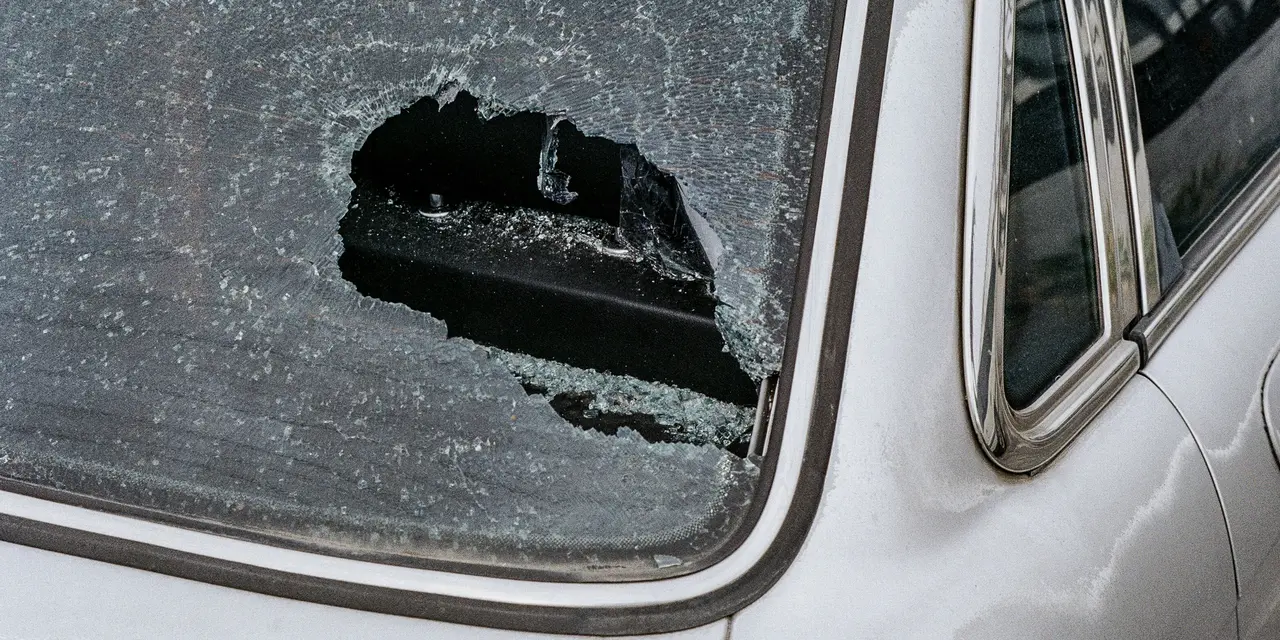
Artificial intelligence is making it easier to create convincing images, documents and other digital material capable of supporting false or exaggerated insurance claims.
Aviva reported in June 2026 that it had identified more than 18,400 suspected fraudulent claims worth £233 million across its brands during 2025. The insurer also said it was seeing increasing use of AI-generated images and manipulated documents, particularly in motor insurance, including fabricated accident scenes and altered vehicle-damage imagery.
The development creates a practical problem for insurers and claims teams.
Digital evidence that appears convincing cannot always be taken at face value.
But the answer is not to assume every unusual photograph, document or claim is fraudulent. Instead, potentially manipulated evidence needs to be assessed alongside other available information and, where necessary, independently verified.
How Is AI Being Used in Insurance Fraud?
Generative AI can produce or alter material quickly and at relatively low cost.
In an insurance context, that can potentially include:
- Artificially increasing apparent vehicle damage.
- Creating images of damage that did not occur.
- Fabricating images of high-value possessions.
- Altering supporting documents.
- Creating false accident scenes.
- Manipulating dates, locations or identifying details.
- Producing synthetic documents that appear authentic.
- Supporting exaggerated elements within an otherwise genuine claim.
Aviva has specifically reported growth in AI-generated images and manipulated documents used in claims, while the wider insurance industry has identified synthetic identities, AI-generated documents and deepfake material as emerging fraud risks.
AI does not necessarily create an entirely new category of insurance fraud.
In many cases, it gives claimants or organised fraudsters more sophisticated tools for carrying out familiar forms of deception.
Fake Vehicle Damage
Motor claims are an obvious target for image manipulation.
A relatively minor scrape could potentially be altered to appear significantly more serious, or an image could be generated to depict damage that did not happen at all.
Other possibilities include:
- Changing vehicle registration details.
- Reusing damage photographs across multiple claims.
- Altering the apparent extent of a collision.
- Creating synthetic accident imagery.
- Manipulating repair documentation.
Aviva reported that motor insurance accounted for more than seven in ten of the fraudulent claims it detected in its UK general insurance business in 2025. It also identified increasing use of AI-generated images and documents in this area.
The challenge is establishing whether the material submitted accurately reflects the physical vehicle and incident being claimed.
Fabricated High-Value Items
AI-generated imagery can also complicate home, contents and travel claims.
A claimant could potentially submit images appearing to show:
- Jewellery.
- Watches.
- Electronics.
- Designer goods.
- Artwork.
- Other high-value possessions.
An image alone may not establish that the item existed, belonged to the claimant or was present at the time of the alleged loss.
Verification may therefore need to consider additional evidence such as:
- Purchase records.
- Bank or card transactions.
- Insurance schedules.
- Serial numbers.
- Previous photographs.
- Valuations.
- Manufacturer or retailer records.
- Other evidence of ownership.
The question is not simply whether an image looks genuine.
It is whether the wider evidence supports the claim being made.
Manipulated Documents Can Be Equally Important
Artificial intelligence is not limited to images.
Fraudulent or manipulated evidence may also include:
- Invoices.
- Receipts.
- Repair estimates.
- Medical documents.
- Accommodation confirmations.
- Cancellation evidence.
- Employment documentation.
- Financial records.
Aviva reported detecting increasingly sophisticated documentation in both property and travel claims, including exaggerated losses and supporting documents that failed closer scrutiny.
Claims teams therefore need to consider the consistency of documents with other independent records rather than relying exclusively on visual appearance.
Can Metadata Detect AI-Generated Evidence?
Metadata can sometimes provide useful information, but it should not be treated as a definitive answer.
Depending on the file, investigators may be able to examine information relating to:
- Creation dates.
- Modification dates.
- Device information.
- Software used.
- File history.
- Location information where present.
- Other technical attributes.
However, metadata can be missing, altered or removed.
AI-generated material may also be exported in ways that leave little obvious technical evidence of how it was created.
Forensic examination may therefore form one part of the investigation rather than acting as an automatic AI detector.
Where detailed examination of electronic evidence is required, Conflict International provides Digital Forensics and Investigation Services.
Why Automated Detection Is Not Enough
Insurers increasingly use analytics and technology to identify suspicious claims.
Aviva says its own approach combines advanced analytics and AI-enabled tools with human oversight.
That combination is important.
Automated systems may identify anomalies or similarities across claims, but an alert is not proof that fraud has occurred.
Likewise, an AI-detection tool may produce false positives or fail to identify sophisticated manipulation.
A stronger investigation may combine:
- Claims analytics.
- Document review.
- Digital forensic examination.
- Database and record checks.
- Interviews.
- Open-source research.
- Physical verification.
- Surveillance where proportionate.
The investigative method should follow the issue that needs to be established.
When Can Physical Verification Help?
Some claims involve questions that can be tested outside the digital environment.
For example, investigators may need to establish:
- Whether an asset exists.
- The actual condition of a vehicle or property.
- Whether a business is operating from a stated location.
- Whether physical circumstances correspond with information submitted in the claim.
Site enquiries or other verification may help establish facts that cannot be resolved from photographs alone.
However, physical verification is not appropriate or possible in every case.
An insurer should not assume that every suspicious digital image requires an investigator to visit a location.
When Can Surveillance Help?
Surveillance can be useful where the issue involves a person's observable activity rather than simply the authenticity of a digital file.
For example, it may be considered where a claim involves alleged physical limitations and there is a legitimate, proportionate reason to understand relevant activity.
Surveillance may document:
- Movements.
- Activities.
- Visits to relevant locations.
- Employment or business activity.
- Other observable behaviour directly connected with the claim.
It should not be described as the "only" way to establish whether AI-generated evidence is false.
If the concern is a manipulated image of vehicle damage or a fabricated receipt, surveillance may add little.
The investigative method must match the evidence being questioned.
For more information about this type of work, see our Surveillance Services.
AI Fraud Does Not Remove the Need for Context
A manipulated image can be significant evidence of dishonesty, but investigators still need to understand how it fits into the overall claim.
For example:
- Was the image supplied directly by the claimant?
- Could it have been altered by another party?
- Does other documentation support or contradict it?
- Is the image central to the claim?
- Is there independent evidence confirming the underlying loss?
- Are similar images associated with other claims?
The existence of questionable digital material should prompt further investigation rather than immediate assumptions.
Duplicate and Recycled Claims
AI also makes it easier to alter existing material so that it appears different.
This may increase the risk of images or documents being reused across several claims.
Potential warning signs could include:
- Similar damage patterns appearing in unrelated claims.
- Repeated backgrounds or objects.
- Inconsistent registration plates.
- Implausible document formatting.
- Images that conflict with known vehicle or property details.
- Multiple claims using closely related supporting evidence.
Analytics may help identify these patterns at scale.
Investigative work may then be required to establish whether the similarities have a legitimate explanation or indicate coordinated fraud.
Organised Fraud and Professional Enablers
AI-generated evidence may also be used as part of more organised activity.
Aviva reported continuing concerns around staged collisions, exaggerated claims and professional enablers contributing to inflated claim values.
In these circumstances, the relevant questions can extend beyond whether an individual photograph is genuine.
An investigation may need to understand:
- Relationships between claimants.
- Connections with repair businesses or service providers.
- Repeated addresses or contact details.
- Shared vehicles or accounts.
- Similar documentation across claims.
- Links between supposedly unrelated parties.
Surveillance may occasionally contribute to that picture, but so may corporate records, communications, financial information and other evidence.
AI Evidence and Personal Injury Claims
Artificial intelligence can also complicate injury and liability claims.
A manipulated image or document might support a false account of an incident, but physical surveillance cannot establish every aspect of an injury.
Even where surveillance is justified, footage needs to be interpreted carefully.
Seeing somebody undertake an activity once does not necessarily establish:
- Whether they experienced pain.
- Whether symptoms occurred afterwards.
- How frequently they can perform the activity.
- Whether their medical evidence is inaccurate.
Surveillance should document what happened and leave medical conclusions to appropriately qualified professionals.
Preserving Suspected Digital Evidence
If there are concerns that material has been manipulated, preserving the original evidence can be important.
Claims teams should avoid unnecessarily modifying files before appropriate examination.
Relevant material might include:
- Original uploaded files.
- Email attachments.
- Messaging records.
- Submission timestamps.
- Claims portal records.
- Associated metadata.
- Earlier versions of documents.
- Audit logs.
Maintaining the original source material may assist later forensic examination.
What Should Insurers Do When Evidence Looks Suspicious?
A proportionate response may include:
- Preserve the original material.
- Compare it with information already held about the policy, asset or claimant.
- Review whether inconsistencies could have a legitimate explanation.
- Check relevant independent records.
- Consider technical or forensic examination where appropriate.
- Establish whether physical verification would answer the question.
- Consider surveillance only where observable activity is genuinely relevant.
- Document the evidence and reasoning behind any further investigation.
This avoids both extremes: accepting questionable evidence without scrutiny or assuming that every anomaly proves fraud.
A Multi-Layered Approach to AI-Enabled Insurance Fraud
AI-generated evidence is likely to make claims verification more complex rather than rendering existing investigative methods obsolete.
The strongest response is usually a combination of technology, human analysis and proportionate investigation.
Depending on the claim, that might involve:
- Automated fraud detection.
- Claims analysis.
- Digital forensic examination.
- Document verification.
- Open-source research.
- Physical enquiries.
- Surveillance.
- Wider fraud investigation.
Each technique answers a different question.
The goal is to establish whether the available evidence supports the claim and identify material inconsistencies that require explanation.
Investigating AI-Generated Insurance Fraud
Conflict International supports insurers, legal teams and businesses requiring investigation of suspicious claims and potentially manipulated evidence.
Our work can include digital forensic examination, physical enquiries, surveillance and wider investigative research depending on the circumstances.
We do not assume that suspicious digital material is fraudulent or claim that one investigative technique can establish every aspect of a case.
The objective is to identify what can be independently verified and provide clear factual findings for the client's consideration.
If a claim involves suspected manipulation of digital evidence, learn more about our Digital Forensics and Investigation Services or Surveillance Services.
Discuss a Suspected Insurance Fraud Case
If you are dealing with a claim involving potentially manipulated images, questionable documents or other evidence that requires independent verification, Conflict International can assess the available information and discuss an appropriate investigative approach.
Complete the enquiry form below to discuss your requirements in confidence.
This version keeps the article genuinely distinct: the Allianz page owns broad insurance-fraud surveillance, while this page owns AI-generated and manipulated claims evidence, with surveillance and digital forensics presented as different tools rather than claiming surveillance is the universal solution.